
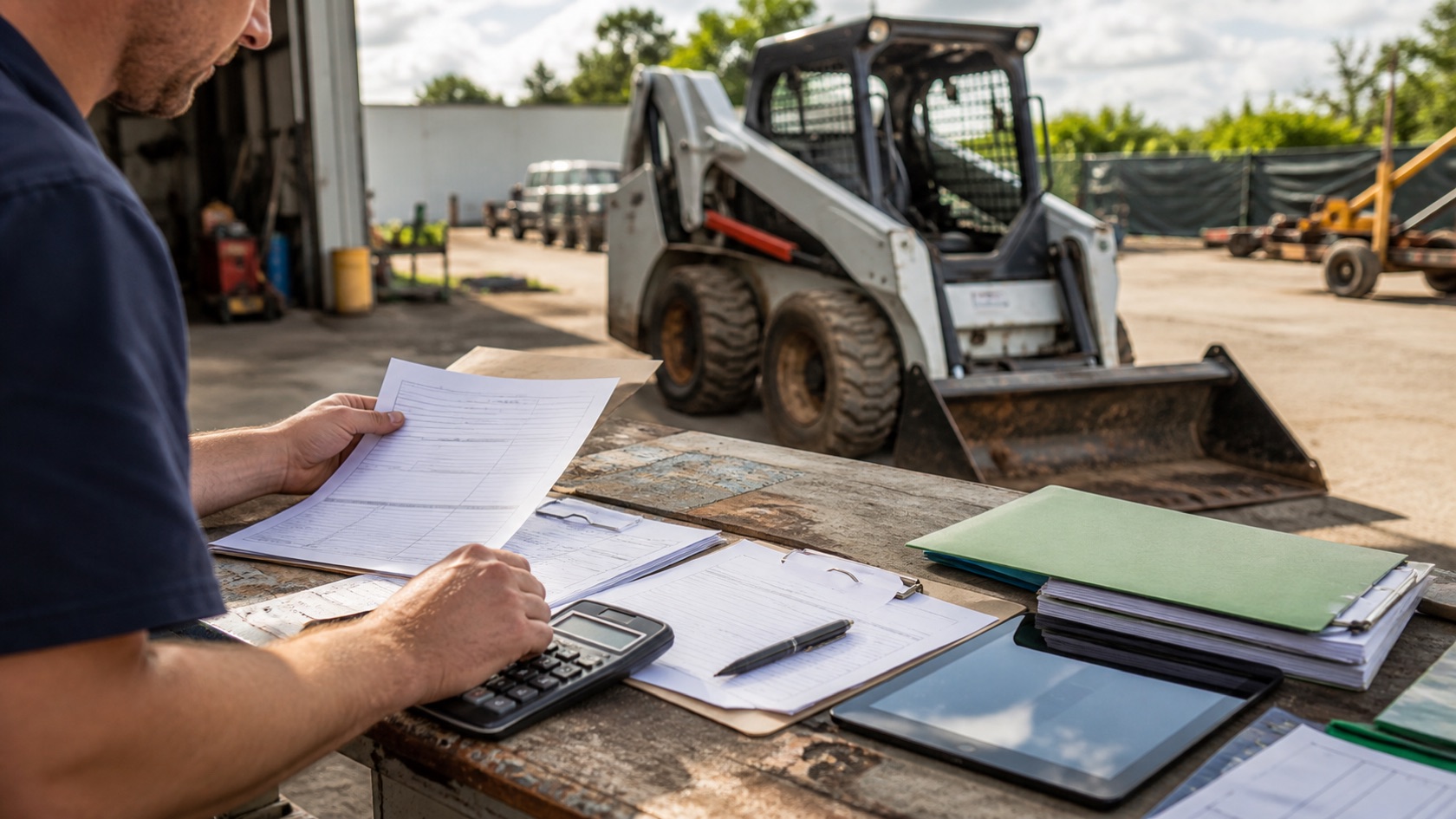
The best used equipment financing option is the one that fits the age, condition, seller, title or lien status, useful life, resale value and payment capacity behind the specific asset. A five-year-old skid steer from a dealer, a privately sold box truck, a used dental chair, a refurbished copier fleet and an auction forklift should not be compared with the same checklist. Used equipment can be financeable, but the details matter more than the phrase "used equipment loan."
For many businesses, used equipment is the practical choice. It can lower the purchase price, reduce depreciation shock and help an owner buy a machine that is available now rather than waiting for new inventory. The tradeoff is underwriting friction: the lender has to understand what the equipment is, who owns it, whether the price is reasonable, how much useful life remains and what happens if the borrower defaults.
What current used-equipment results cover
Current U.S. search results for "best used equipment financing" are commercial and decision-stage. The first relevant pages are mostly lender explainers, equipment-financing guides and comparison articles. NerdWallet has a dedicated used equipment financing guide with pros, cons and qualification considerations. LendingTree's broader equipment financing guide explains loans and leases, common equipment categories and how the asset can support the loan. Other visible results from lenders and finance marketplaces emphasize fast quotes, used-equipment eligibility, application steps, borrower requirements and FAQs.
The coverage is useful, but the gap is seller and condition risk. Many pages describe the product category but do not give owners a practical way to compare a dealer unit against a private-party sale, auction purchase, refurbished package or older specialized machine. This article keeps the BOFU comparison format while focusing on the questions that make used equipment different: documentation, valuation, remaining useful life, maintenance exposure, lien release and whether the repayment term is reasonable for the asset.
Official sources add guardrails. The SBA's 7(a) loan guidance says proceeds may be used for machinery and equipment for eligible borrowers, but lender and program requirements still apply. The IRS explains depreciation and Section 179 rules in Publication 946; tax treatment depends on the taxpayer, asset and placed-in-service facts. The FTC also advises businesses to investigate financing companies before sharing sensitive information through online offers or unfamiliar sites.
Best used equipment financing options
| Option | Best fit for used equipment | What to verify before signing |
|---|---|---|
| Used-equipment finance company | Clear asset purchase with invoice, seller file, useful life and equipment value. | Age limits, private-party rules, title or lien process, down payment, term and payoff language. |
| Dealer financing | Dealer-sold used, refurbished or certified pre-owned equipment with service records. | Cash price, financed price, warranty, inspection, delivery, fees and comparison quote. |
| SBA-backed lender | Larger planned purchases where documentation and closing timeline are manageable. | Eligibility, collateral, borrower contribution, appraisal or valuation needs and closing timing. |
| Bank or credit union loan | Borrowers with strong deposits, credit, collateral or existing local relationship. | Time in business, blanket lien, financial statement requirements, title handling and speed. |
| Marketplace or broker | Owners comparing several lender appetites for older, mixed or specialty assets. | Final lender, product type, broker compensation, repayment frequency and data sharing. |
| Lease or rental-purchase | Equipment where upgrade flexibility or lower initial cash use matters. | End-of-term buyout, return rules, maintenance duties, usage limits and total cost. |
| Working-capital product | Repairs, freight, installation, tooling, software or deposits around the equipment purchase. | APR, fees, repayment cadence, collateral, personal guarantee and cash-flow strain. |
1. Used-equipment finance company
A finance company that regularly reviews used assets can be the cleanest path when the equipment has a clear description, seller, condition and business purpose. The lender can evaluate the invoice, make, model, year, serial number, hours or mileage, photos, payoff information and expected use. That matters because two used machines with the same price can carry very different risk if one has dealer records and the other is a private-party sale with missing paperwork.
This route can fit construction equipment, commercial vehicles, restaurant equipment, medical devices, office systems, manufacturing machinery, agricultural equipment and other commercial assets. It does not guarantee approval. Older equipment, specialty assets, uncertain title, heavy wear, missing inspection records or a seller who cannot document ownership can all change the answer. Equipments Finance is based in Garland, Texas and works with owners comparing commercial equipment purchases across several industries; use it as one comparison point when you have a real quote, not as a substitute for written offer review.
2. Dealer financing
Dealer financing can work well for used equipment because the seller often controls the information a lender needs. A dealer may provide a purchase order, condition notes, service records, delivery details, warranty language, trade-in information and proof that title or lien release can be handled. For certified pre-owned or refurbished equipment, those details can reduce uncertainty.
The convenience still needs scrutiny. Ask for the cash price and the financed price. Confirm whether the financing promotion applies to used equipment, whether fees are rolled in and whether the machine is sold as-is. Compare an outside quote before signing. A dealer payment may look simple, but a lower monthly amount can hide a longer term, higher total repayment or conditions that matter later.
3. SBA-backed lender
An SBA-backed loan can belong in the shortlist when the purchase is larger, the business can tolerate a more documented process and the equipment is part of a broader plan. SBA 7(a) proceeds may include buying machinery and equipment for eligible borrowers, and SBA-backed structures may also help when the project includes installation or surrounding business costs.
The tradeoff is time and paperwork. A borrower should expect questions about repayment ability, business purpose, ownership, collateral, financials and equipment value. If the seller needs to close in two days, this may not fit. If the equipment is central to a planned expansion and the business can build a stronger package, it may be worth comparing. Used equipment does not remove the need for a sound business case.
4. Bank or credit union loan
A bank or credit union may fit when the owner has strong credit, deposits, collateral or an existing relationship. This can be useful for local businesses buying from known dealers or acquiring titled assets where the bank can document the lien. It may also work when the equipment purchase is conservative relative to the business's existing cash flow.
Ask early about used-equipment policy. Some institutions may limit asset age, require valuations, prefer dealer invoices or want a broader collateral package. A bank loan may also move more slowly than a specialized equipment finance path. If timing matters, verify process before you rely on the approval.
5. Marketplace or broker quotes
A marketplace or broker can be useful when the asset does not fit one obvious lender box. Older equipment, private sellers, mixed equipment packages, startup buyers, seasonal businesses and specialty machines may receive different answers from different funding sources. A brokered comparison can save time if it reveals whether the file belongs with an equipment lender, lease provider, SBA lender, bank or another product.
Transparency is the key. Identify the final lender, product type, total repayment, payment frequency, fees, collateral, guarantee and whether the quote is conditional. The FTC's small business financing guidance is a practical reminder to investigate companies, look beyond search placement and be careful with sensitive information. A fast online quote is not the same as a reviewed financing agreement.
6. Lease or rental-purchase structure
Leasing can fit used equipment when the owner needs the asset now but wants flexibility. This may apply to equipment that could be upgraded, replaced or returned as the business learns demand. A rental-purchase path can also help when the owner needs to test an asset before committing to full ownership.
The contract language matters more than the label. Does the business own the equipment at the end? Is there a fair market value buyout, a fixed purchase option or an automatic renewal? Who handles maintenance, insurance, damage, return freight and repairs? If you are comparing structures, read our guide to equipment loans vs. equipment leases before treating the lowest payment as the best answer.
7. Working-capital product for surrounding costs
Sometimes the equipment financing is not the whole problem. Used equipment may need repairs, freight, attachments, tooling, software, inspection, installation, insurance, storage or operator training before it earns money. A working-capital product, line of credit or smaller term loan may cover those costs when the equipment lender will not include them.
This route should be used carefully. Shorter-term products can carry higher costs, more frequent payments and personal liability. A business should avoid stacking a working-capital payment on top of an equipment payment unless ordinary cash flow supports both. For a broader comparison of asset financing and general capital, see equipment financing vs. business loan.
Seller and asset checks before applying
Used equipment financing starts with the seller. A dealer, auction house, private seller and out-of-state reseller create different documentation questions. Confirm who owns the equipment, whether there is an existing lien, how payoff and lien release will be handled, whether the seller can provide an invoice and whether the asset can be inspected before closing. For titled vehicles or trailers, title handling is central to the file.
Next, match the term to useful life. A lower payment can become expensive if the repayment period lasts longer than the machine's productive value. Look at age, hours, mileage, condition, maintenance records, parts availability, expected workload, downtime risk, warranty and resale market. For a deeper purchase framework, our new vs. used equipment financing guide explains why the cheaper asset is not always the better financed asset.
Specialized equipment needs extra care. Medical devices may require service contracts or software. Restaurant equipment may need installation and code timing. Construction equipment may need attachments, transport and insurance. Commercial vehicles may need title, registration and route assumptions. Manufacturing equipment may need rigging, power requirements and operator training. The lender is not only reviewing a price; it is reviewing whether the asset can realistically support repayment.
How to compare used equipment financing offers
Use the same fields for every written offer: equipment price, amount financed, cash due at closing, term, repayment frequency, fees, collateral, personal guarantee, insurance requirements, title or lien process, early payoff rules, default language and total repayment. If one offer includes freight, taxes or repairs and another does not, normalize the comparison before choosing.
Be careful with "best rate" claims. Rates and terms depend on the borrower, equipment, seller, documentation and market conditions. A lender may quote one range publicly and approve a different structure after review. The stronger comparison is written, asset-specific and tied to the actual purchase agreement. The guide to what lenders look for in equipment deals can help you prepare the file before asking several lenders to quote.
Tax considerations should not drive the financing choice alone. The IRS depreciation rules in Publication 946 include requirements and limits that depend on the asset and taxpayer facts. Ask a CPA or qualified tax professional how a used equipment purchase, lease or financing agreement applies to your business before assuming a deduction, depreciation schedule or Section 179 outcome.
Documents to prepare before applying
For the equipment, gather the quote, invoice, bill of sale or auction listing; seller contact details; make, model, year, serial number, hours or mileage; photos; inspection report; maintenance records; warranty information; title or payoff letter when applicable; delivery and installation costs; and insurance information if requested. For private-party purchases, expect more questions about ownership and payment process.
For the business, prepare formation documents, ownership details, bank statements, current debt information, tax returns or financial statements when available, customer contracts if relevant, operating location, projected use of the equipment and a realistic explanation of how the asset supports revenue or cost savings. Startups and lightly seasoned businesses should also prepare owner background, launch budget and cash reserve detail.
If the equipment is ready and the documentation is organized, the practical next step is comparing written offers. The credit application is available when you have a specific asset to finance and want the file reviewed. Keep the final decision grounded in the written terms, not a headline promise.
FAQ
Can used equipment be financed?
Yes, many types of used business equipment can be financed when the lender can verify the seller, asset description, value, condition, business use and repayment ability. Approval, pricing and terms are never guaranteed.
Is it harder to finance used equipment than new equipment?
It can be harder when the equipment is older, specialized, privately sold, missing records or near the end of its useful life. Dealer-sold or well-documented used equipment is usually easier to evaluate.
What documents help with used equipment financing?
Prepare the invoice or purchase agreement, seller details, make, model, year, serial number, hours or mileage, photos, inspection records, title or lien information when applicable, delivery costs and proof of insurance if requested.
Can startups finance used equipment?
Some startups can finance used equipment, but lenders usually review owner credit, cash down, equipment value, seller quality, operating plan and early revenue or contracts more closely.
Should I lease or finance used equipment?
Financing can fit equipment you expect to own and use for years. Leasing or rental-purchase can fit equipment that may need replacement, upgrades or flexibility. Compare total cost, end-of-term language and maintenance responsibility.